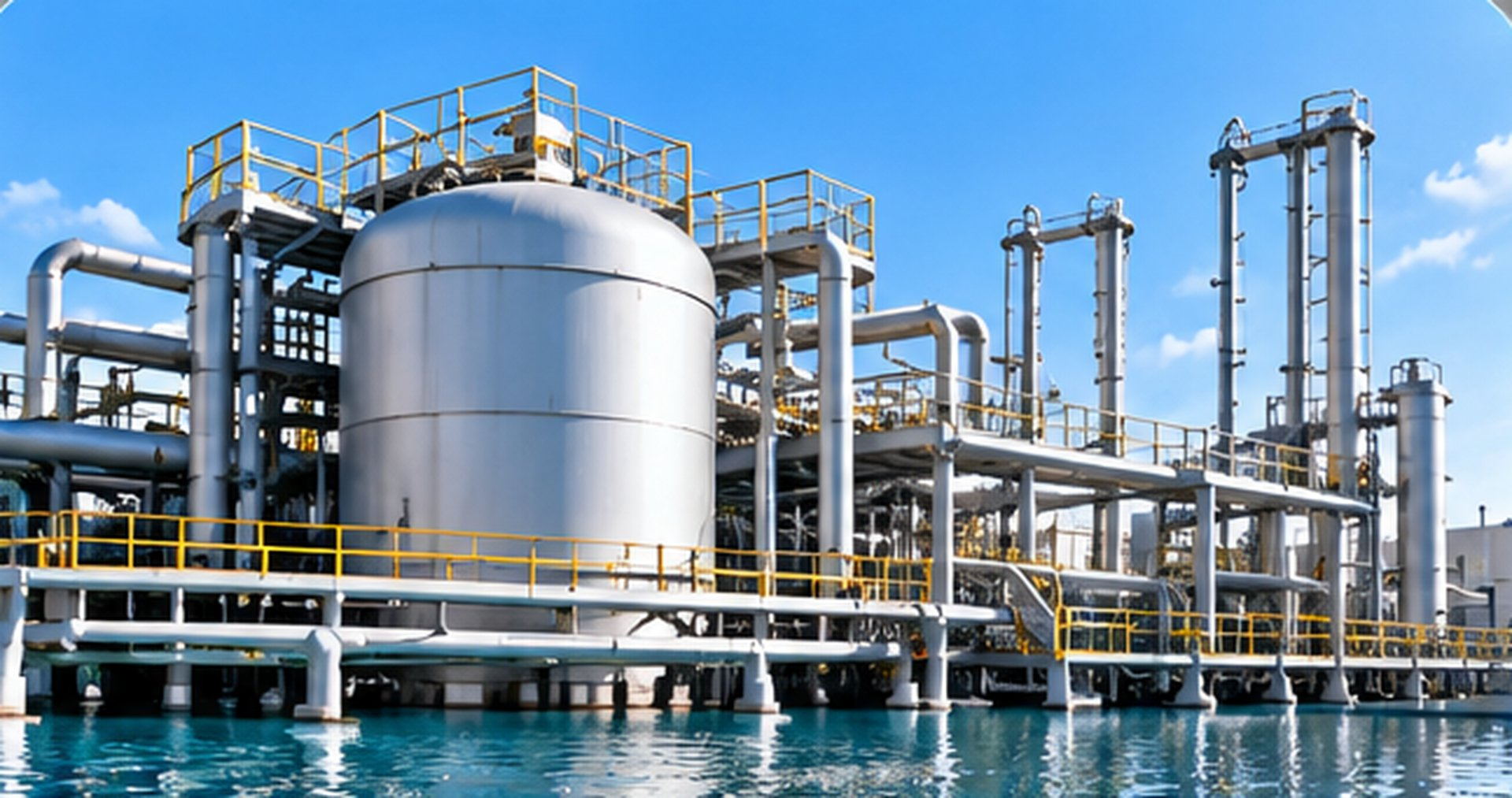
Urban Green Low-Carbon Drainage System
Sewage · Stormwater · Reclaimed water — three loops in one city
Sewage · Stormwater · Reclaimed water — three loops in one city
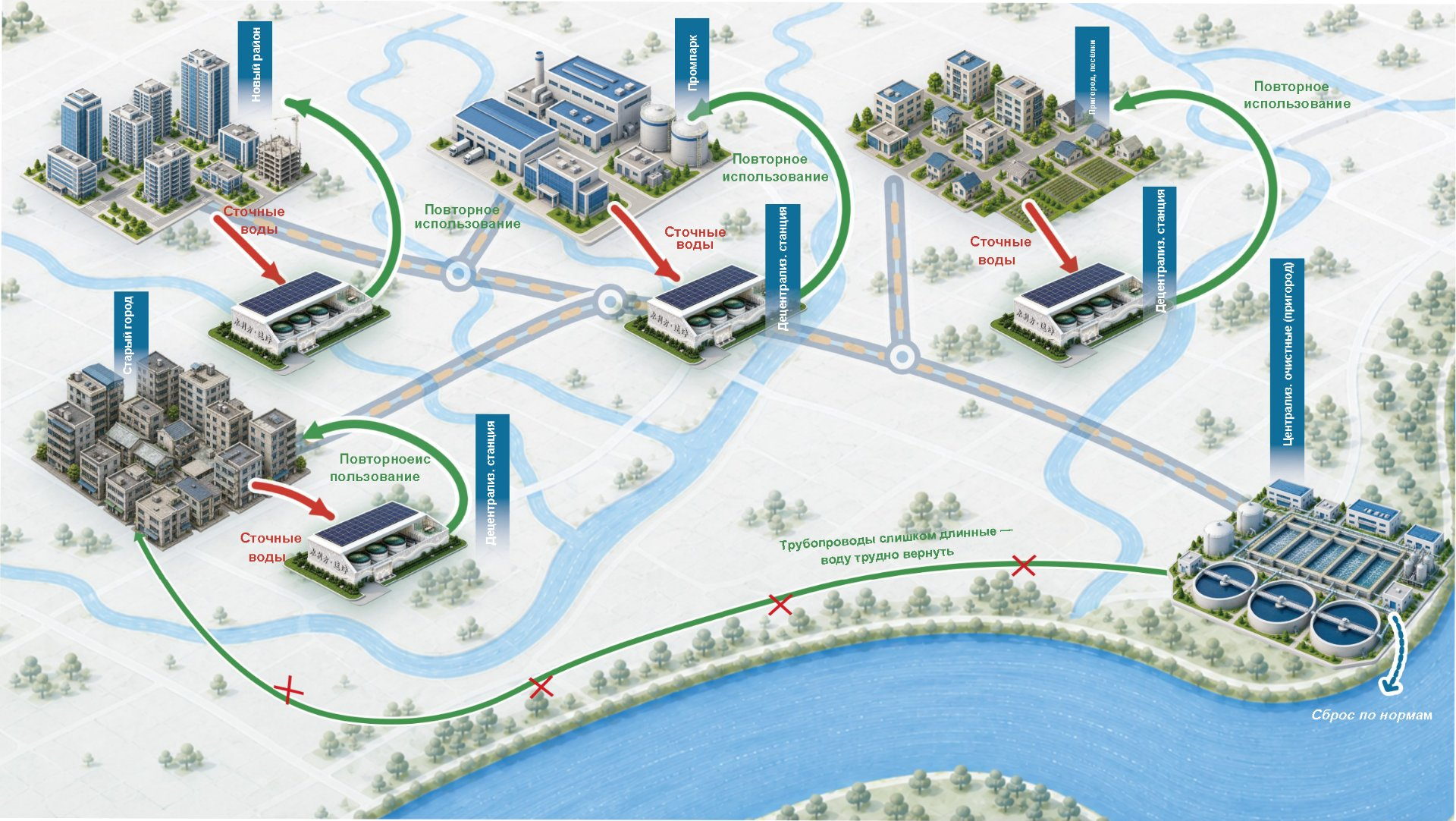
The Urban Green Low-Carbon Drainage System (GLCD) is built around three principles: separate collection, local treatment and multi-source reuse. Municipal sewage, stormwater runoff and building greywater are managed within one water network. Wastewater is no longer treated only to be discharged — it is regenerated inside the district and returned to roads, green space, water features and industry.
Modular reclamation plants act as nodes, typically 5,000–30,000 m³/d, placed according to district demand. The plants sit close to the point of use, so reclaimed water is drawn off within a 1–3 km radius — no long-distance transfer or secondary pumping, and lower energy use and leakage.
Plants can be fully or partially underground, returning the surface to parks, plazas and community space. Rooftop PV and biogas CHP cover plant energy demand, turning wastewater treatment from an energy consumer into district energy and ecological infrastructure.
A short film on how water is collected, treated and reused within a district.
Four interlocking stages form a closed-loop urban water network.
Separate collection of sewage, stormwater and greywater; stormwater is infiltrated and stored locally to keep clean water out of the sewage network.
Modular plants sit close to the point of use and expand in phases with the district, avoiding over-capacity from day one.
Deep treatment and disinfection are completed inside the plant. Effluent is graded to municipal, irrigation, landscape and industrial reuse standards, monitored online and metered for handover to the offtaker.
Rooftop PV, biogas power and sludge valorisation, with waste heat reused in the plant and neighbouring buildings.
Reclaimed water is reused locally across municipal, irrigation, landscape and industrial applications.
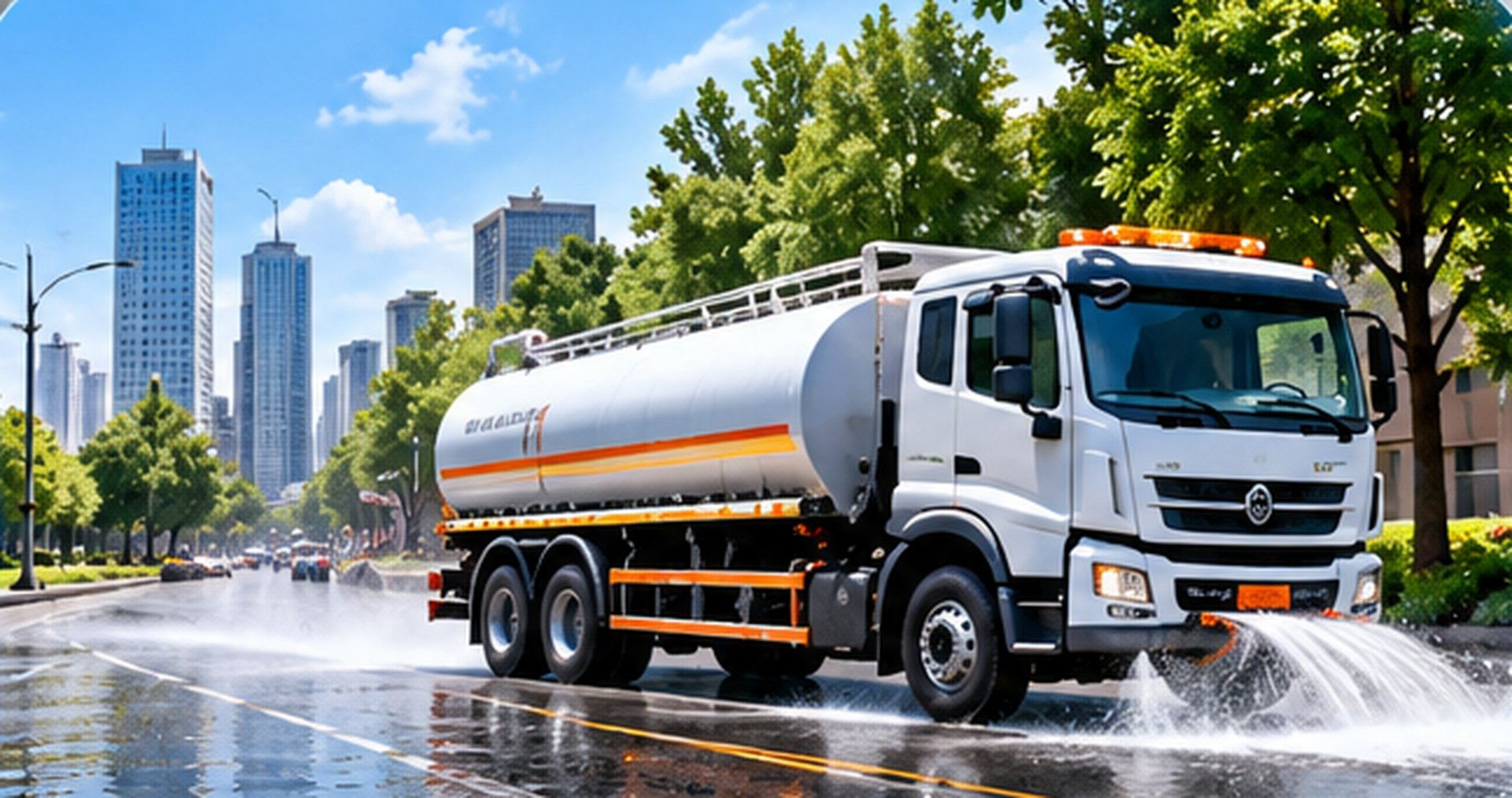
Street washing, construction dust suppression and municipal cleaning
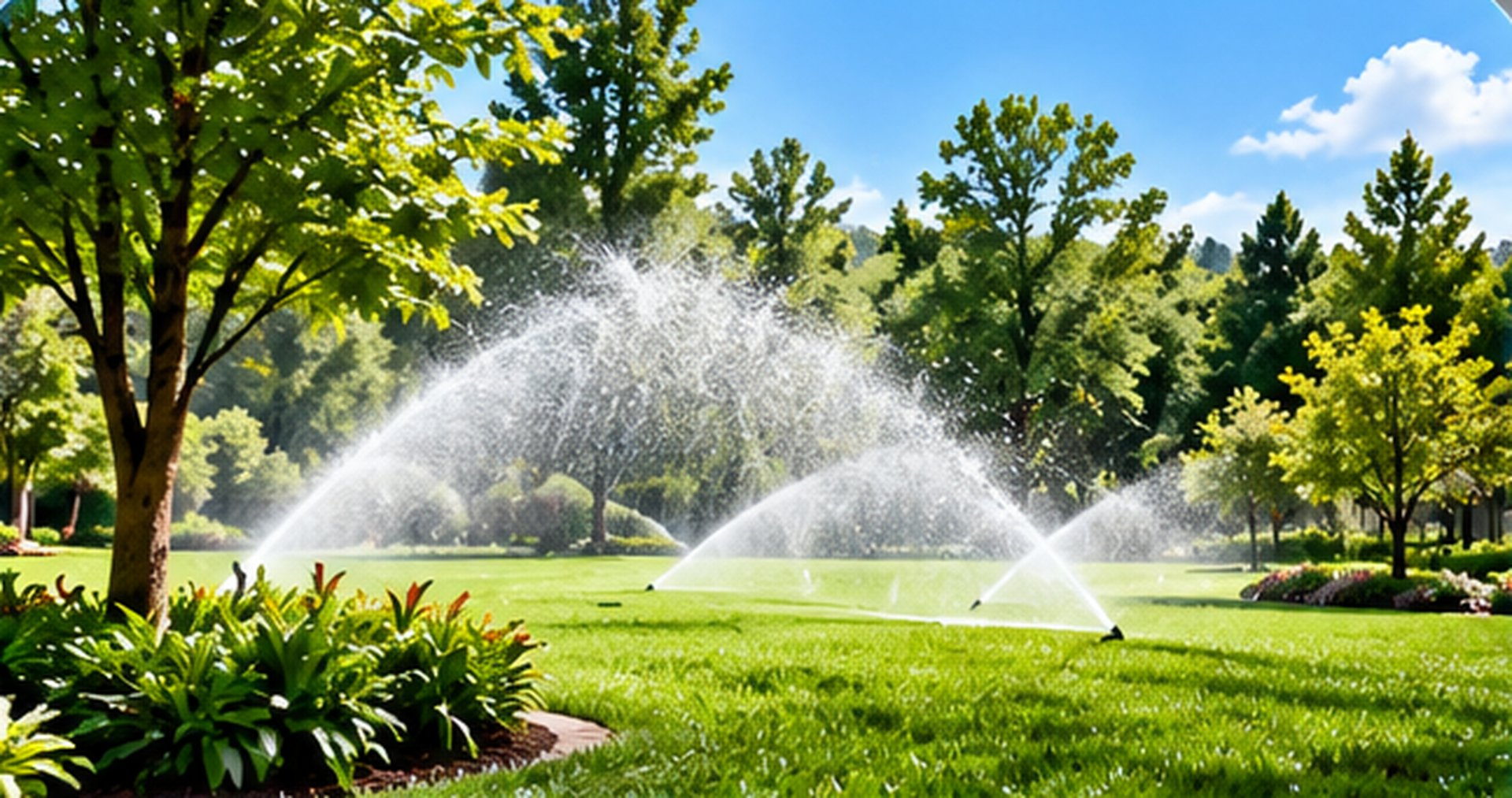
Sprinkler and drip irrigation for parks, street trees and residential green space
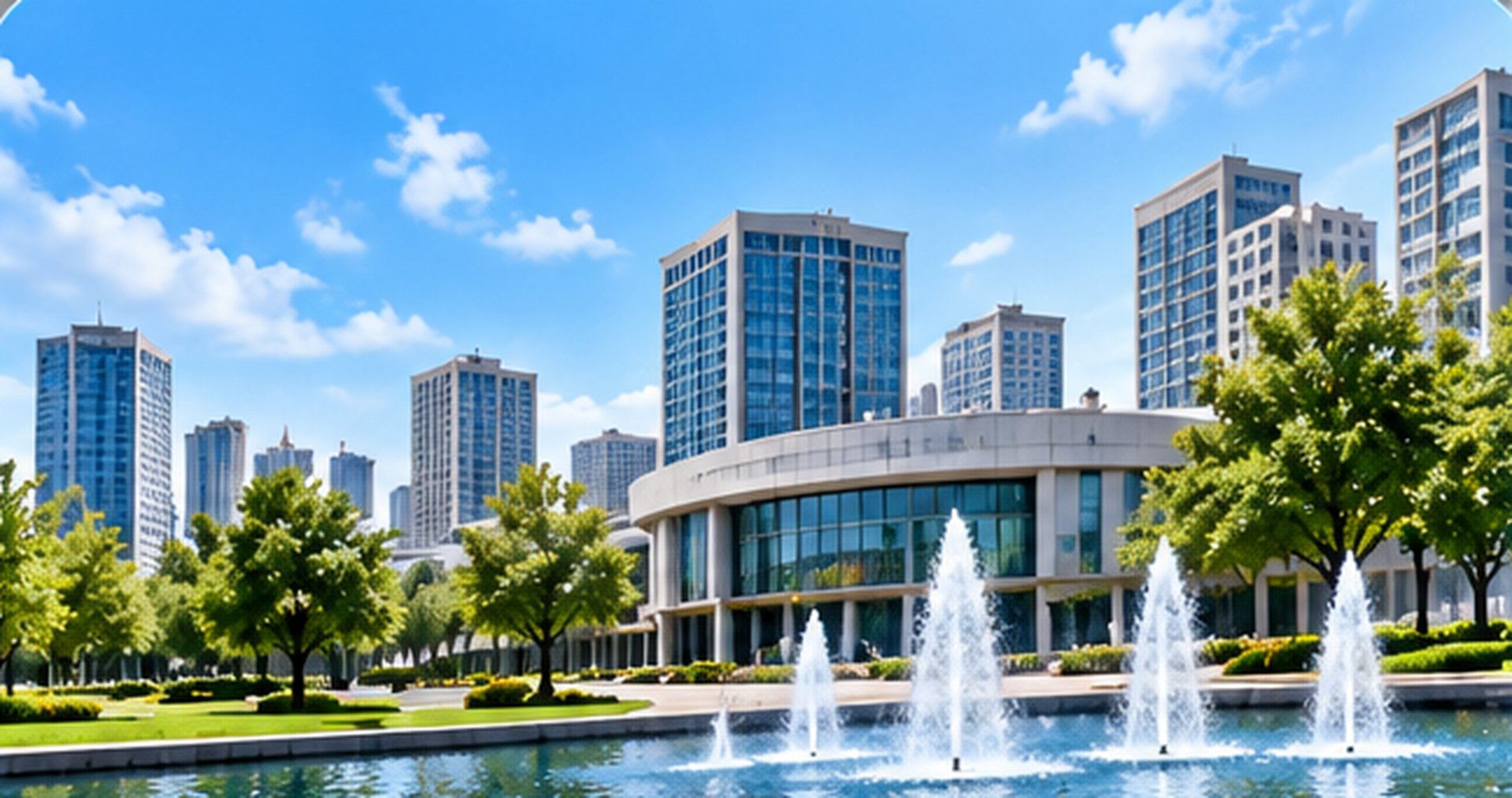
Urban water features, lakes and river ecological replenishment
Cooling loops, washing and process non-potable water
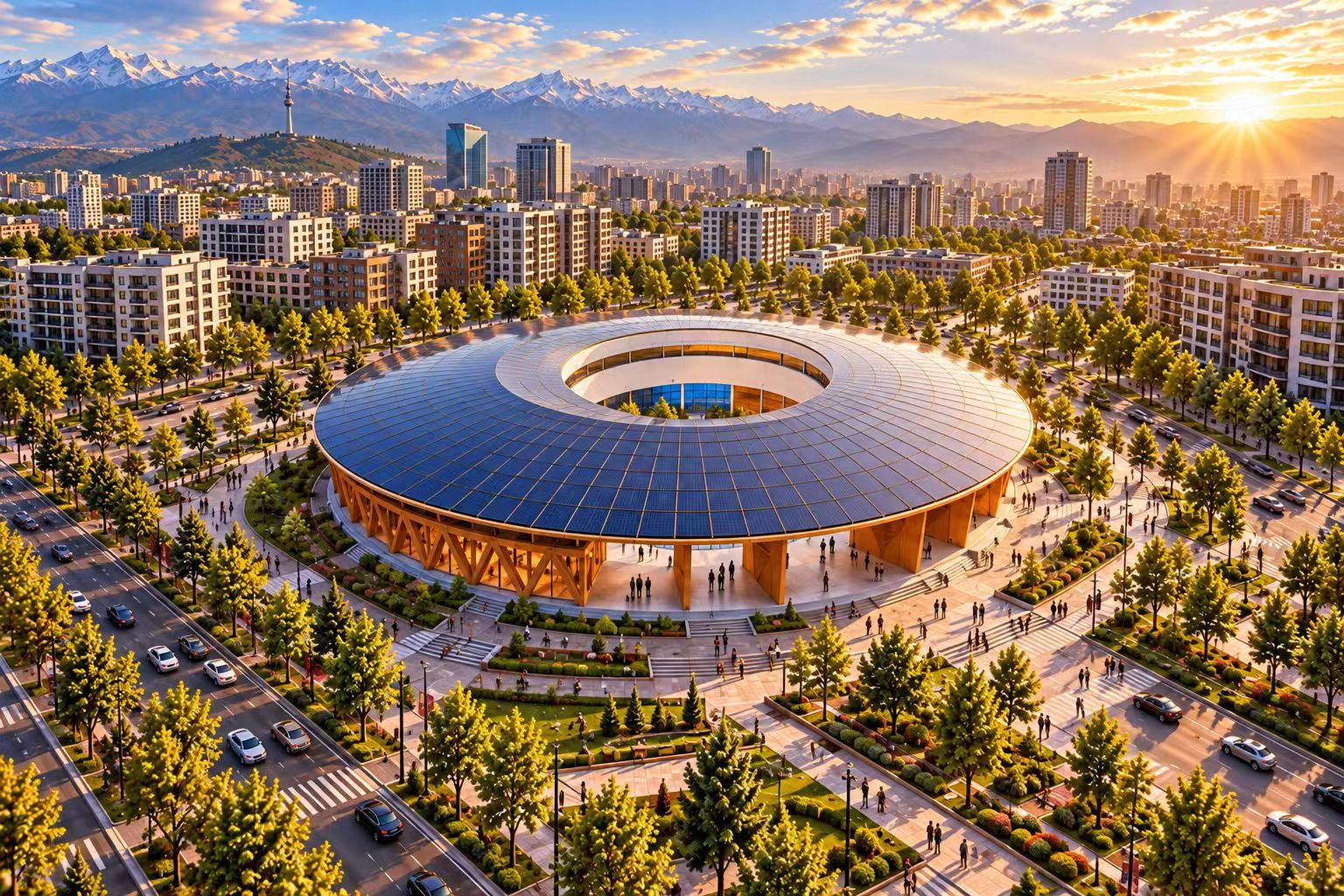
The “Symbiosis Ring” is one of the standard plant types in this system: a compact ring layout, rooftop PV, plant–city symbiosis, with the upper level open to the public.
Linked by the reclaimed-water network, several “Symbiosis Ring” nodes form an urban green low-carbon drainage system for the whole city — a single plant is a node; the system is the answer.
Explore the “Symbiosis Ring” arrow_forward
From water balance and site selection to investment and operation, we cover the full cycle.
Contact our engineers arrow_forward